
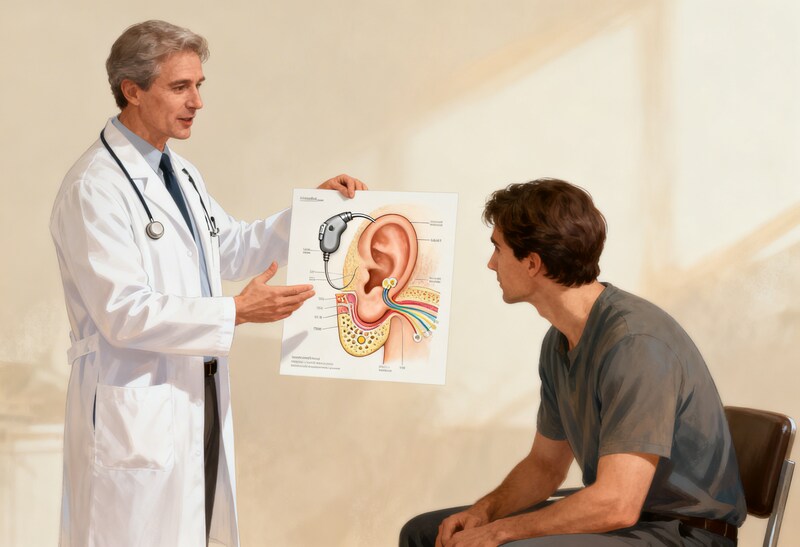
For people with certain types of hearing loss, cochlear implants may be a treatment option that can significantly improve their ability to hear and communicate. Understanding the potential costs involved can help with planning and decision-making as you explore this possibility with your healthcare team.
What is a Cochlear Implant?
A cochlear implant is a sophisticated electronic device that can help provide a sense of sound to people with severe hearing loss. Unlike hearing aids that amplify sounds, cochlear implants bypass damaged parts of the ear and directly stimulate the auditory nerve. The device has components that are surgically placed inside the ear as well as external parts that are worn outside the ear.
The technology works by converting sounds into electrical signals that the brain can interpret as hearing. While the hearing provided by a cochlear implant is different from natural hearing, many people find it greatly improves their ability to understand speech and interact with the world around them.
Who Might Need One?
Doctors typically consider cochlear implants for people with severe to profound hearing loss who don’t receive adequate benefit from conventional hearing aids. Candidates must meet specific medical and audiological criteria established by the FDA and medical professionals. The ability and willingness to participate in rehabilitation programs is also important, as learning to use a cochlear implant effectively requires time and practice.
Both children and adults can be candidates for cochlear implants, though the evaluation process and criteria may differ somewhat between age groups. The decision involves careful evaluation by a team of specialists including audiologists, surgeons, and sometimes other healthcare professionals.
Cost Factors
The total cost of cochlear implants involves several components that extend beyond just the device itself. The surgical procedure to implant the device requires specialized skills and operating room time. Hospital or surgical center fees vary depending on the facility and geographic location. Doctor and specialist fees include not just the surgeon but also the audiologist and other team members involved in your care.
Follow-up appointments and device adjustments are ongoing costs that continue long after the initial surgery. These appointments are crucial for optimizing your hearing with the implant and ensuring the device continues to function properly. Rehabilitation and therapy services help you learn to use your new hearing effectively and may continue for months or even years after implantation.
Insurance Coverage
Many insurance plans may cover cochlear implants when they’re considered medically necessary, but coverage varies significantly between plans and insurance companies. The approval process typically involves meeting specific clinical criteria that demonstrate the severity of your hearing loss and the lack of benefit from hearing aids.
Prior authorization is usually required, meaning your doctor must submit detailed documentation to your insurance company before the procedure. Using in-network providers generally results in better coverage and lower out-of-pocket costs. Age can sometimes affect coverage, as some insurance plans have different criteria for children versus adults.
Medicare and Medicaid
Both Medicare and Medicaid may provide coverage for cochlear implants under certain circumstances, but each program has specific requirements that must be met. Medicare typically covers cochlear implants for people who meet FDA criteria and have tried hearing aids without sufficient benefit. Medicaid coverage varies by state, as states have some flexibility in determining what services they cover.
The documentation required for government insurance programs can be extensive, and the approval process may take time. Working with your healthcare team to ensure all necessary paperwork is complete and submitted properly can help avoid delays.
Steps to Understanding Costs
Understanding the financial aspects of cochlear implants requires gathering information from multiple sources. Start by talking with an audiologist or ENT doctor who specializes in cochlear implants about whether you might be a candidate. Get a thorough hearing evaluation to document your current level of hearing loss and hearing aid benefit.
Contact your insurance company to ask specific questions about cochlear implant coverage under your plan. Request detailed cost estimates from the surgical facility and all healthcare providers involved in your care. If you’ll have significant out-of-pocket costs, ask about payment plans or other financial arrangements that might be available.
Additional Resources
Many cochlear implant manufacturers offer patient support programs that can provide information about the devices, the implant process, and sometimes financial assistance for eligible patients. Some non-profit organizations focus on helping people with hearing loss access the care they need and may offer grants or other assistance programs.
The decision to get a cochlear implant involves many factors beyond just cost, including your lifestyle, communication needs, and personal goals for hearing improvement. Work closely with your healthcare team to determine if this option is right for your specific situation and to understand all aspects of the process before making your decision.
Image Source: AI-generated